Knowledge in People: Three Festivals, Many Ways of Remembering
Since 2021, Reimagined Learning Community has hosted three Knowledge in People Un/Learning Festivals across Johannesburg and Soweto. What began as a gathering at the Reimagined Learning Centre in Johannesburg has slowly become something more than an event. It has become a living inquiry, a community ritual, a kind of public remembering. At its heart, Knowledge in People asks a simple but unsettling question: what if knowledge is not something that lives only in schools, books, universities, experts, certificates, or institutions? What if knowledge has always been here, carried in people, in communities, in stories, in songs, in hands, in kitchens, in gardens, in grief, in play, in survival, in ceremony, and in the everyday practices that help people continue?
The first festival, hosted in 2021 at the Reimagined Learning Centre in Johannesburg, felt like a seed being placed into the soil. It was intimate, experimental, and full of questions. We gathered with young people, parents, educators, artists, facilitators, elders, and community members to explore what it might mean to unlearn the harmful patterns we have inherited. In many ways, that first festival was less about presenting answers and more about creating a space where different kinds of knowing could meet. It asked us to look at the hidden curriculum of our lives: the lessons we had absorbed about intelligence, success, failure, obedience, authority, worth, and belonging. It invited us to notice how schooling, coloniality, capitalism, patriarchy, racism, and other dominant systems had shaped not only what we know, but how we know.
Yet the first Knowledge in People Festival was never only a critique of education. It was also a gesture of restoration. It invited us to remember that communities are not empty. Young people are not empty. Elders are not relics. Parents are not merely caretakers of schooling systems. Artists, organisers, healers, cooks, gardeners, storytellers, and children all carry forms of knowledge that often go unnamed or unrecognised. That first festival opened a doorway into a different understanding of learning, one where community itself could become curriculum and where the act of gathering could become a form of study.
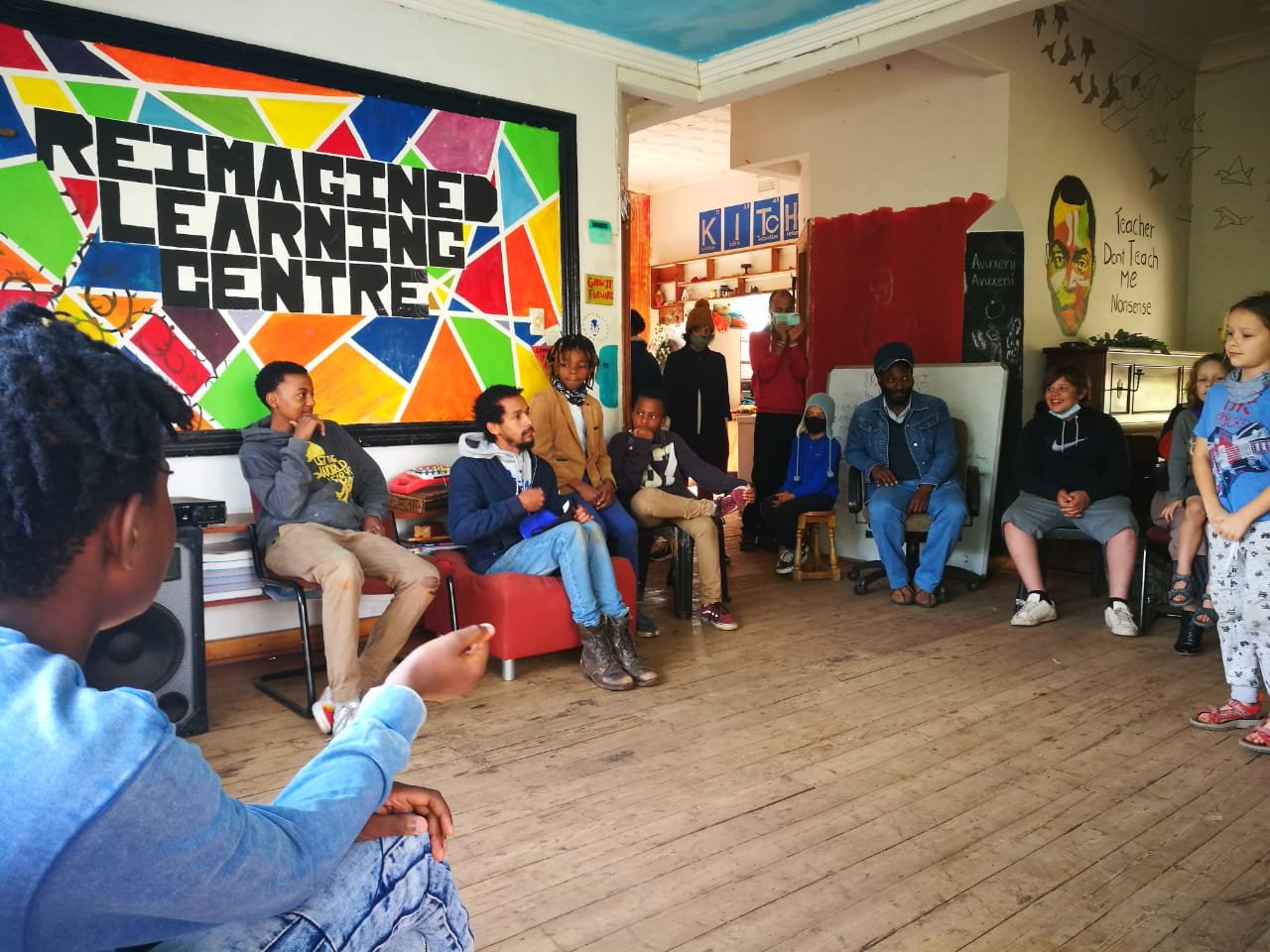
In 2022, the festival returned to the same venue, the Reimagined Learning Centre in Johannesburg, but something had shifted. The circle was bigger, deeper, and more textured. What had been seeded in 2021 had begun to crack open. The second festival carried a wider range of offerings from young and old, and the space began to feel less like a programme and more like a temporary village of learning. People arrived with practices, stories, games, questions, reflections, art, movement, and memory. There were offerings that invited people to think, others that invited people to feel, others that invited play, dialogue, silence, and connection. The gathering became a living archive of community knowledge.
One of the clearest teachings of the 2022 festival was that knowledge does not only move in one direction. It does not only move from adult to child, teacher to learner, expert to audience. Knowledge moves sideways. It moves in circles. It moves through laughter, awkwardness, mistakes, questions, songs, games, and the small moments between formal sessions. Young people were not simply present as participants. They were part of the intelligence of the festival. They brought honesty, disruption, humour, creativity, and forms of insight that adults often forget how to hear. Elders and adults also arrived as learners, not as finished beings with all the answers, but as people still unlearning, softening, remembering, and becoming.
By the end of the second festival, it was clear that Knowledge in People was becoming more than a once-off gathering. It was becoming a rhythm. A practice. A way of creating conditions for people to gather around the knowledge already alive among them. The festival reminded us that education does not have to be reduced to performance, measurement, competition, or control. It can also be relational. It can be ceremonial. It can be playful. It can be uncomfortable. It can be a place where old stories are questioned and new possibilities are rehearsed.
In 2024, the festival moved to Soweto and was hosted from 28 to 31 March at Lebo’s Soweto Backpackers. This third gathering carried a different kind of charge. Soweto is not a neutral place. It is memory, resistance, youth, creativity, rupture, rhythm, survival, and imagination. To gather there under the banner of Knowledge in People was to enter a place already thick with knowledge. The streets of Soweto carried their own curriculum. The place itself became a teacher, asking us to listen more carefully to history, to struggle, to joy, to community, and to the unfinished work of freedom.
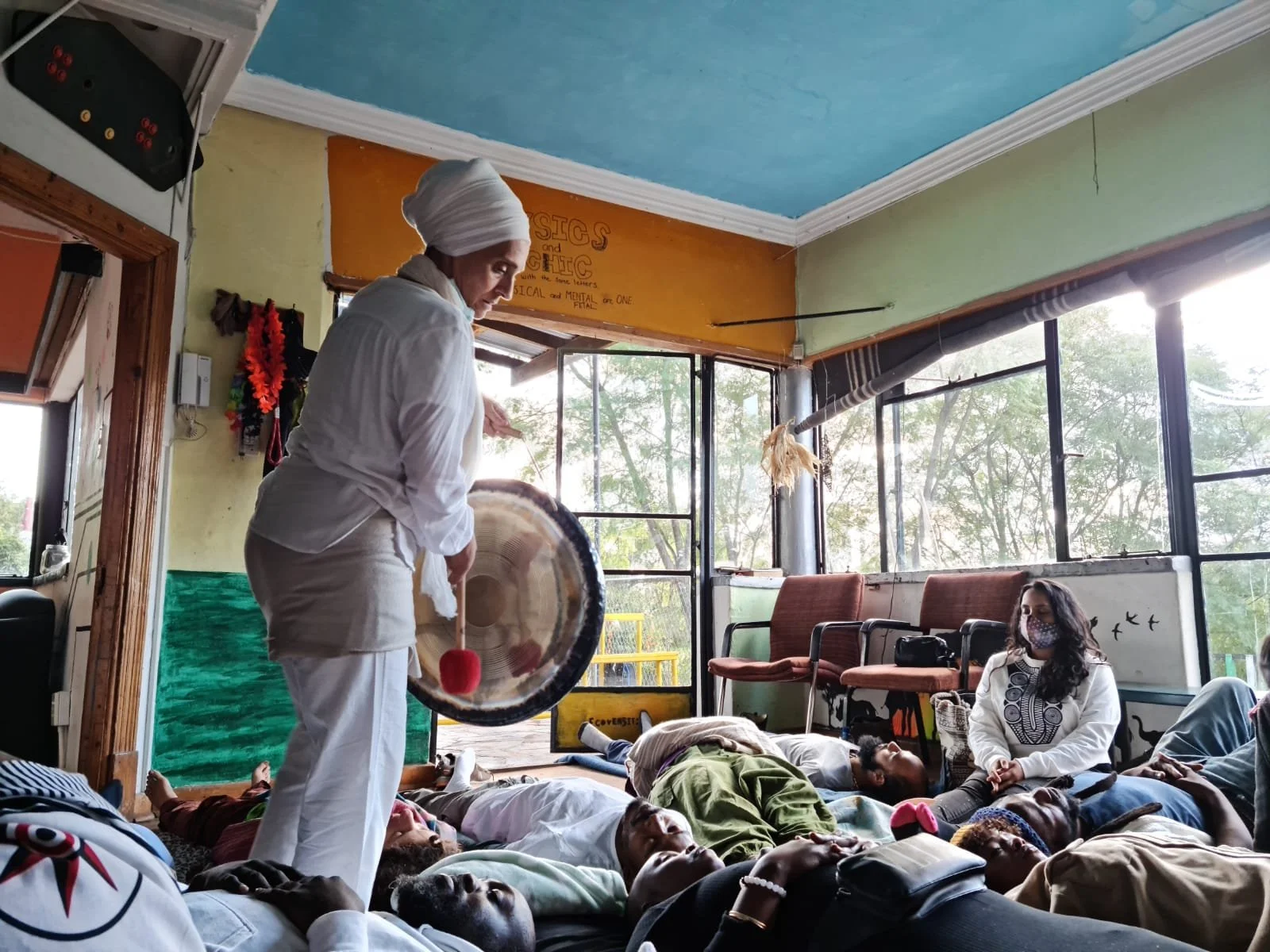
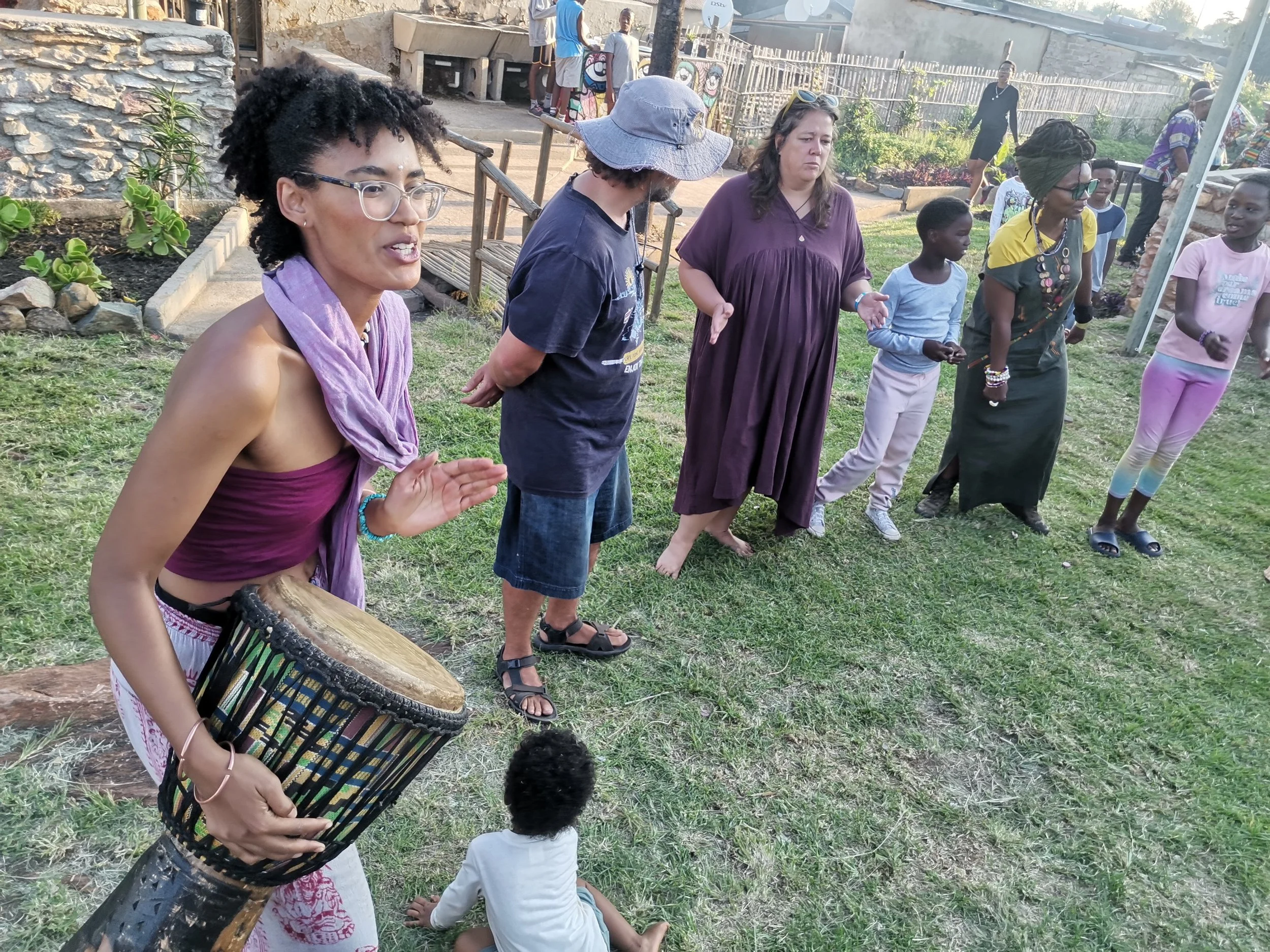
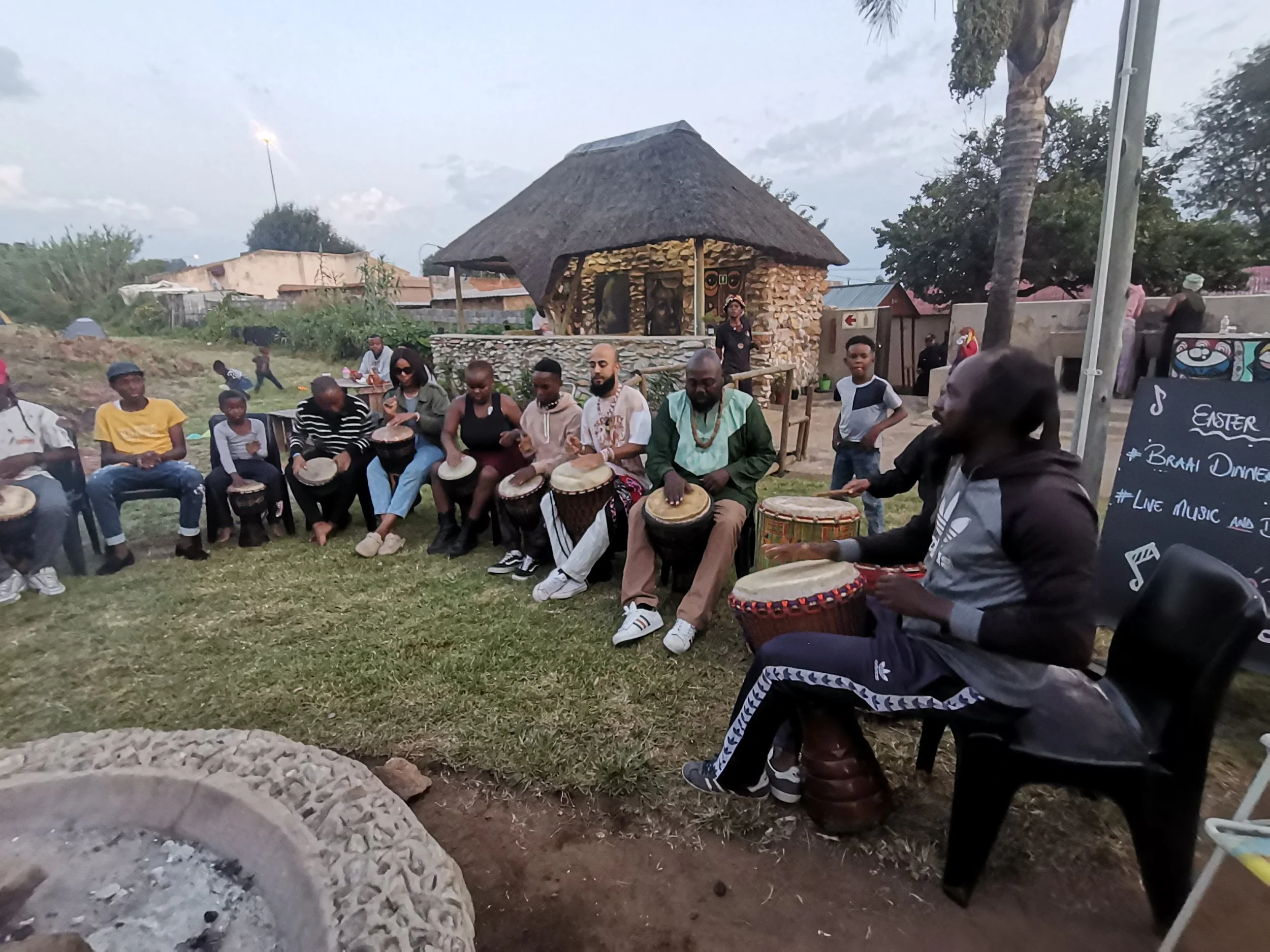
The Soweto festival brought together people across generations, from young children to elders in their eighties. This intergenerational field became one of the most powerful aspects of the gathering. The festival invited participants into unlearning not only as an intellectual exercise, but as an embodied and communal practice. It asked what it means to disrupt conventional ideas of education and return learning to collective listening, deep sensing, story, ceremony, play, reflection, and relationship. Around the fire, collective drumming became one of the festival’s most memorable moments. The drums called bodies into remembering before the mind could organise language around it. The fire held the gathering. The rhythm moved through people. Something ancient entered the space without needing to be explained.
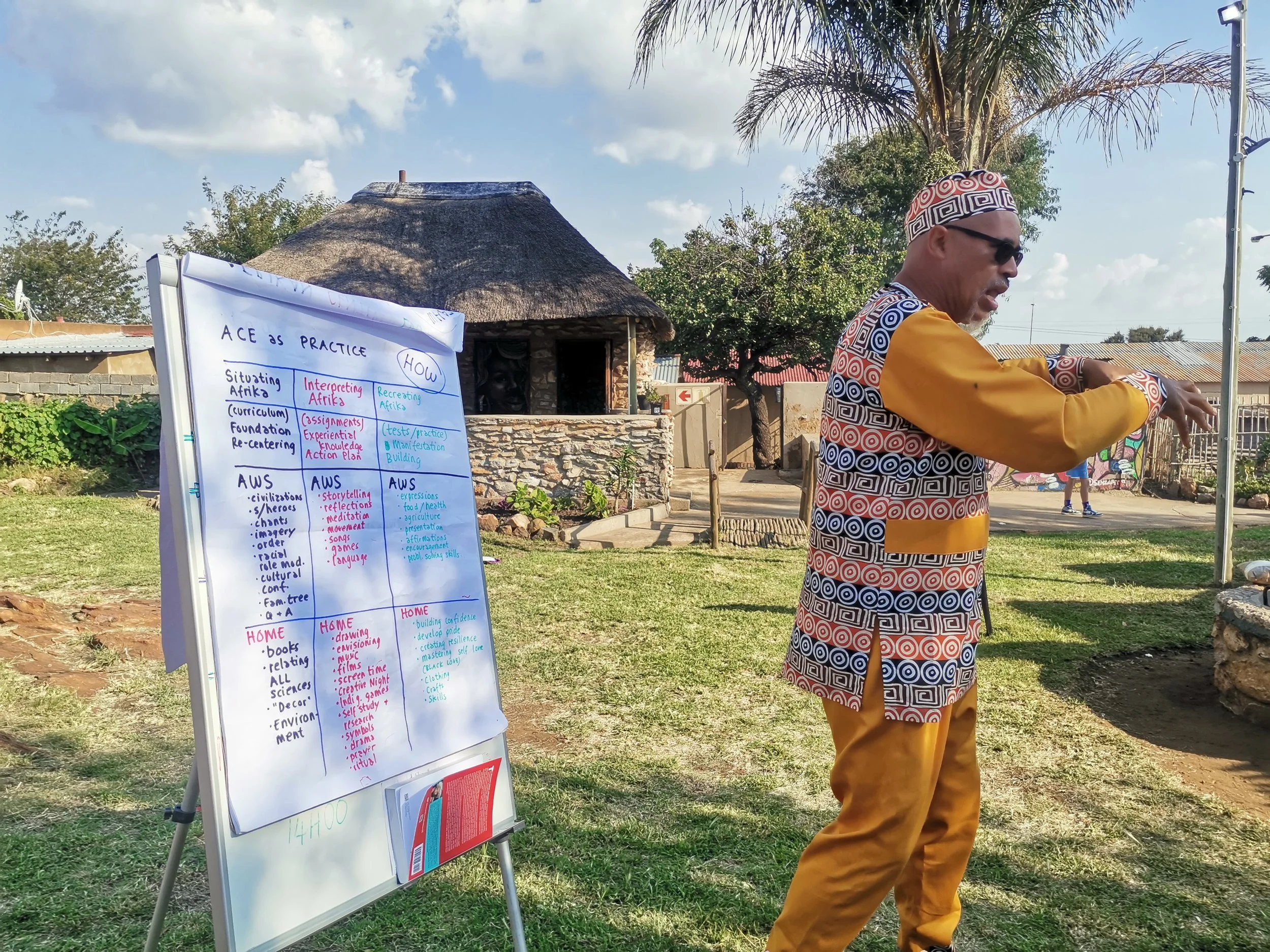
A profound moment came through the wisdom of Mkulu Ndabazethongo, an elder and keeper of knowledge, who offered reminders of Ubuntu in the face of contemporary crises. His presence brought grounding to the festival and reminded us that Ubuntu is not only a word from the past. It is a living practice needed urgently in a world shaped by fragmentation, extraction, speed, and disconnection. His offering helped root the gathering in the deeper question of how we become human through one another, and how knowledge must serve life, relationship, and responsibility.
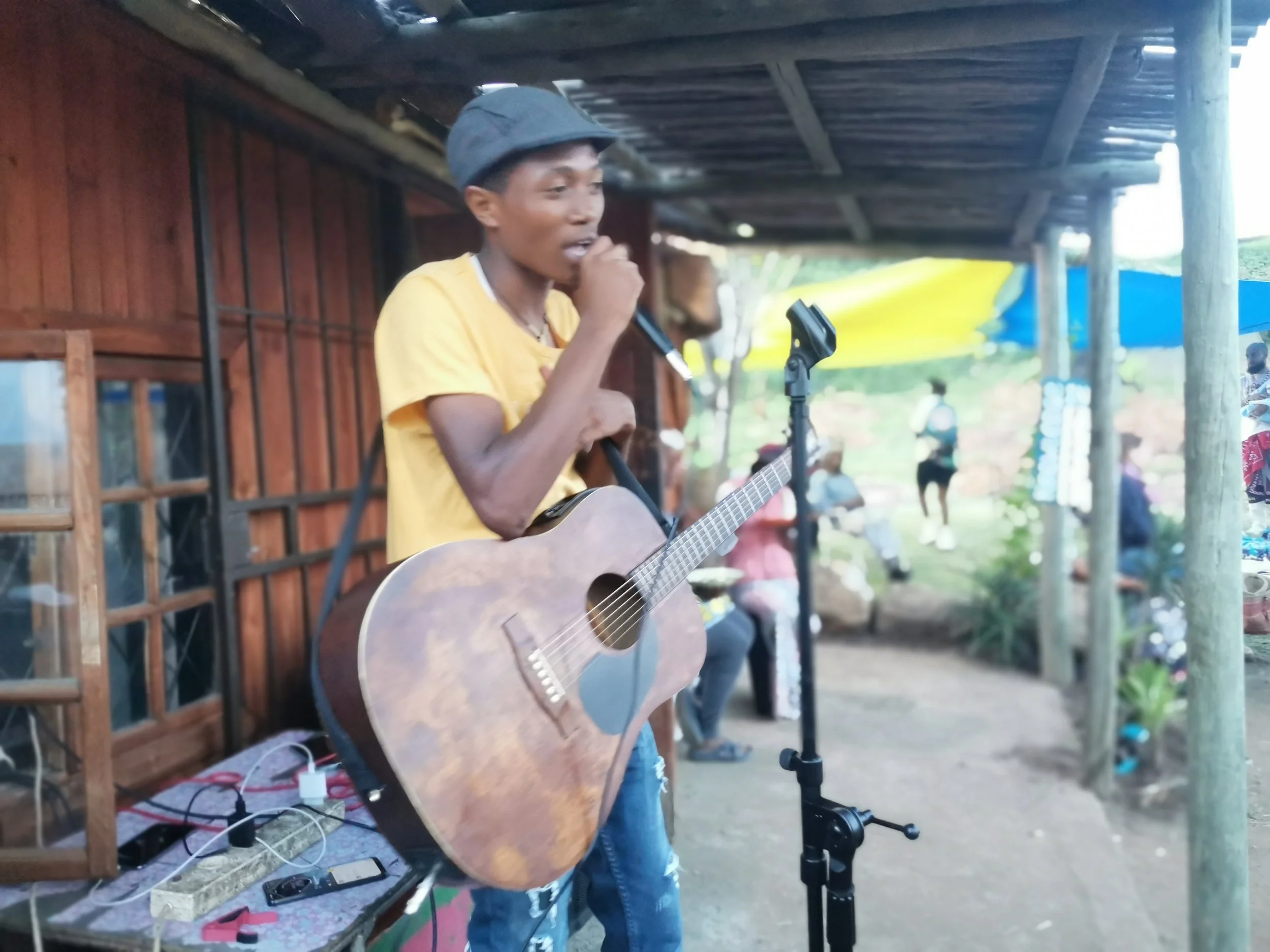
Youth voices also took centre stage in Soweto. Members of the Reimagined Learning community, including Keagan and Selassi, led sessions that softened hearts and opened minds through contemplation, games, and rap. Their offerings reminded us again that young people are not waiting to become wise someday. They are already reading the world. They are already carrying questions. They are already making meaning. When young people are trusted with space, they do not simply participate in learning. They shape it. They interrupt it. They make it more honest.
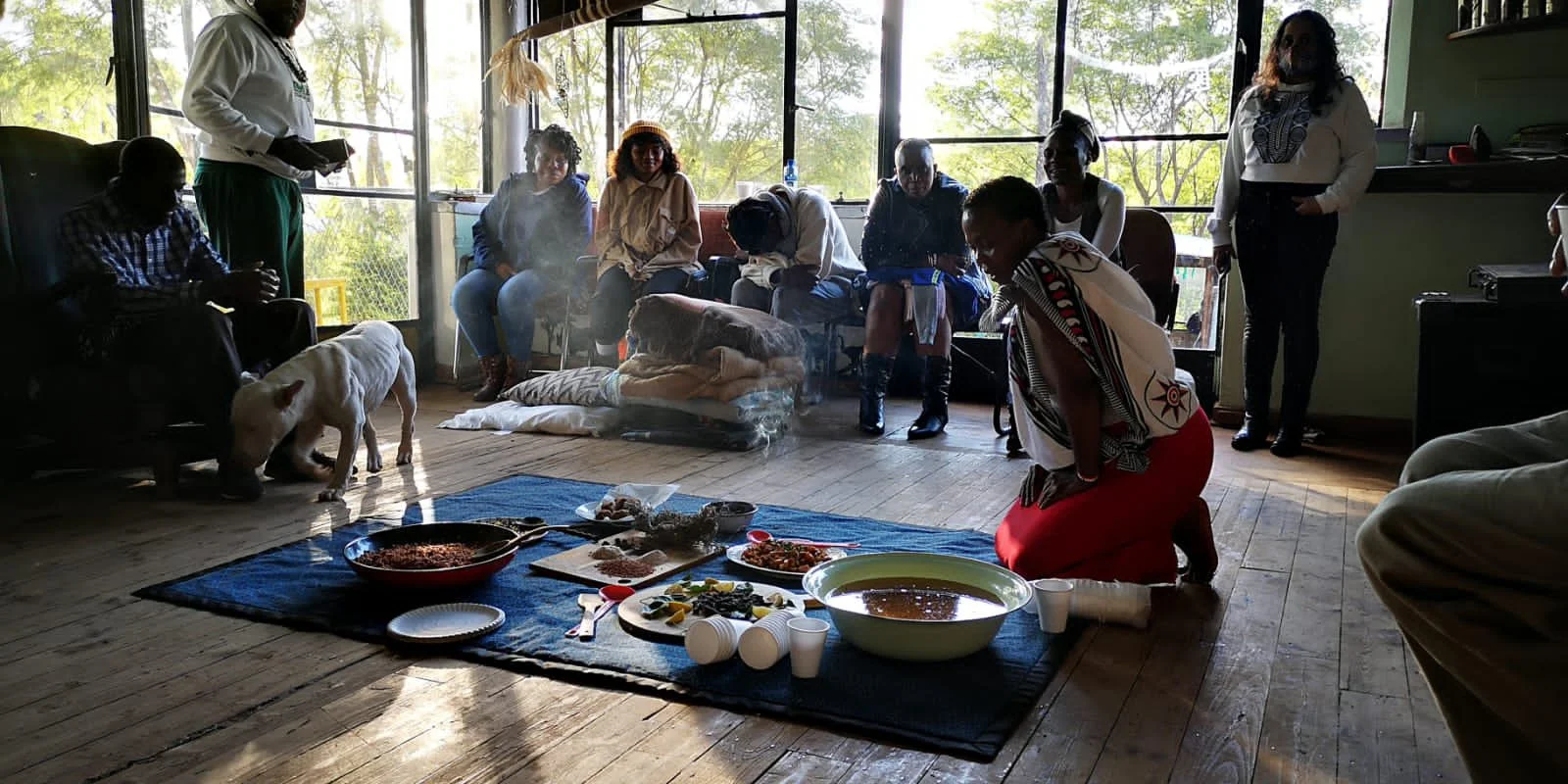
Across the Soweto gathering, participants encountered a wide range of offerings, including sacred play, traditional birthing practices, ancestral reflections, communal dialogue, and explorations such as “the plate from eMandulo,” which connected people to ancestral memory and the wisdom of those who came before. These offerings did not all speak in the same language, and that was part of the beauty. Some came through words. Some came through movement. Some through ritual. Some through humour. Some through silence. Some through the body. Together, they formed a wider ecology of knowing.
The 2024 festival also made space for difficult and necessary questions about living in a world facing multiple crises. Participants explored what it means to hospice a world that no longer serves life, while also imagining futures rooted in deep ecological relationality, community resilience, and renewed connection with the natural world. In Soweto, these questions had ground beneath them. They were not abstract. They were held in a place shaped by history, struggle, beauty, and contradiction. The festival asked us to sense what must be released, what must be restored, and what must be remembered if we are to live differently.
Looking across the three festivals, one thing becomes clear: Knowledge in People is not only a festival title. It is a philosophy. It challenges the idea that education is something delivered to people from the outside. It refuses the assumption that communities are empty, broken, deficient, or waiting to be saved. It asks us to begin somewhere else. What does this community already know? What knowledge has been buried, shamed, or forgotten? What forms of intelligence have been dismissed because they do not look academic? What do young people know that adults have stopped hearing? What do elders carry that modernity has tried to make irrelevant? What must we unlearn in order to belong differently to one another and to the earth?
The three festivals have each taught us something different. Johannesburg in 2021 taught us how to begin. Johannesburg in 2022 taught us how to widen. Soweto in 2024 taught us how to deepen. Together, they have shown us that learning can be a ceremony of return. A return to community. A return to story. A return to the body. A return to ancestral memory. A return to play. A return to the fire. A return to the living world.
Still, so much of what mattered cannot be captured fully in a programme, report, or blog post. It lives in the small moments. The side conversations after a session. The child who says something that stops the adults in their tracks. The elder who speaks slowly and changes the whole atmosphere of a room. The laughter between heavy conversations. The shared meal. The song. The awkward silence that teaches us something. The person who arrived unsure and left feeling less alone. These moments are part of the real archive of Knowledge in People.
This is why the story of the festival should not only be told by Reimagined Learning Community. It should be textured by the voices of those who were there. Participants, facilitators, young people, elders, collaborators, friends, neighbours, and witnesses all carry parts of the story. Their write-ups, reflections, poems, memories, photos, and fragments matter. They help us tell a fuller story, one that does not flatten the festival into a neat summary. Because if knowledge lives in people, then the story of Knowledge in People must also live in many voices.
From Johannesburg to Soweto, across three festivals, Knowledge in People has reminded us that another way of learning is possible. One rooted in Ubuntu. One shaped by intergenerational exchange. One brave enough to unlearn. One tender enough to restore. One spacious enough to hold children and elders around the same fire. The people are not waiting to be filled with knowledge. The people are the knowledge. The people are the curriculum. The people are the archive. The people are the ceremony.
And perhaps this is the work Reimagined Learning Community continues to tend: to keep gathering with enough care that this knowledge can be remembered, questioned, sung, drummed, played with, restored, and returned to the world as medicine